Paper for Alternative Photography
5 items
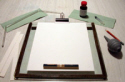 HERSCHEL and BUXTON PLATINOTYPE PAPERSHerschel paper is proving extremely popular as an alternative to the well established Buxton. The new paper represents a substantial development in that it is made from 100% linen cellulose fibre. The linen paper is generally warmer in tone than the cotton of Buxton, being made from refined flax, is an inherently neutral, archival fibre with extremely long life. BUXTON was originally developed at the instigation of Dr Mike Ware to provide an inert paper medium to take photographic sensitizers for the Platinotype and other siderotype (iron-based) processes, which include cyanotype, argyrotype, palladiotype, and kallitype.The paper provides a dense sheet with high wet strength.
Mike Ware writes
During the first years of my exploration of iron-based photographic printing, I probably tried twenty different papers. During the last twenty years I have used only one.
Buxton paper resulted from my chance meeting with papermaker Ruscombe Mill at a conservation conference in Manchester in 1992.
Paper was then my last unresolved problem, because I had sorted out the chemical difficulties, but changes in commercial large-scale papermaking in the 1980s had removed most of the usable papers from the market, and the big mills were quite unsympathetic to the small-scale 'specialist' users. The Mill expressed interest in my problem, and I presented it with a broad specification for my ideal paper which, with much collaboration, testing, and modification resulted in Buxton platinotype paper.
It always surprises me when newcomers to alternative photographic printing - and some experienced workers who should know better - expect that a siderotype process should work well on any old paper, intended for quite different purposes. They fail to recognise that, in these 'single layer' photographic processes, the paper is also part of the chemistry. Only the purest raw materials will do, with absolutely no hostile additives, and scrupulous control in forming the sheet. All this necessarily implies handmaking of the paper which is, of course, costly.
I estimate that a skilled papermaker can produce about ten sheets of fine paper in the time that it takes a photographic printer to make one siderotype print upon it, so we printers should not be indignant if the raw paper sheet costs an appropriate fraction of the value that we place upon our print. When making an image in platinum, palladium or gold, it is foolish to adopt false economy: failure with a cheap paper will cost far more than success with an expensive one.